November 17, 2026
In this article, we explore the various factors that can impact the performance of your HVAC system, offering insights into common issues and solutions. HVAC systems are essential to maintaining a comfortable indoor climate, yet many homeowners overlook the importance of understanding and maintaining these systems. By delving into the intricacies that affect HVAC performance, this article aims to empower readers with essential information to ensure efficiency and longevity.
HVAC systems, which stand for Heating, Ventilation, and Air Conditioning, are complex machines that require regular attention to function optimally. Many factors, including environmental conditions, system maintenance, and repair histories, contribute to the overall performance of an HVAC system. We will address these elements systematically, helping you make informed decisions about your HVAC maintenance and repair needs.
1. How Often Should HVAC Repairs Be Done?
1.1 Frequency of Routine Maintenance
Routine HVAC maintenance is crucial to keeping the system running efficiently and preventing costly repairs. Most professionals recommend having your HVAC system serviced at least twice a year, typically in the spring and fall, to prepare for peak heating and cooling seasons. During these routine check-ups, technicians can clean, inspect, and make necessary adjustments to ensure the system is in top condition.
Regular maintenance can enhance energy efficiency, reduce utility costs, and extend the life of your HVAC system. It also allows homeowners to address minor issues before they escalate into more significant problems, which could lead to an unexpected need for HVAC repairs. Establishing a routine can serve as a proactive measure in safeguarding your HVAC investment.
1.2 Indicators for Immediate Repairs
Identifying the signs that indicate your HVAC system requires immediate HVAC repairs is vital for maintaining indoor comfort and system efficiency. Unusual noises such as banging or screeching, inconsistent temperatures, and poor air quality are clear indicators that your HVAC system needs attention. Ignoring these symptoms can lead to further system degradation and more costly repairs in the future.
Owners should also pay attention to changes in utility bills as a potential sign of inefficiencies. A sudden spike in energy costs without a corresponding change in usage patterns may indicate that your system is working harder than necessary, highlighting a need for professional inspection and possible repairs. Prompt attention to these indicators can prevent more severe problems and expenses.
1.3 Seasonal Considerations
Seasonal changes play a crucial role in how often HVAC systems should be inspected and potentially repaired. For instance, systems often experience more strain during winter and summer months due to extreme temperatures, necessitating more frequent HVAC repairs and maintenance. As such, transitional periods in spring and fall are ideal times for service appointments as they provide an opportunity to prepare for upcoming seasons.
Regular maintenance during these transitional seasons can prevent overwhelming stress on the system when it is needed most. By proactively transitioning your system from one season to the next, you can ensure that it performs reliably, keeping your home comfortable all year round.
1.4 Professional vs DIY Repairs
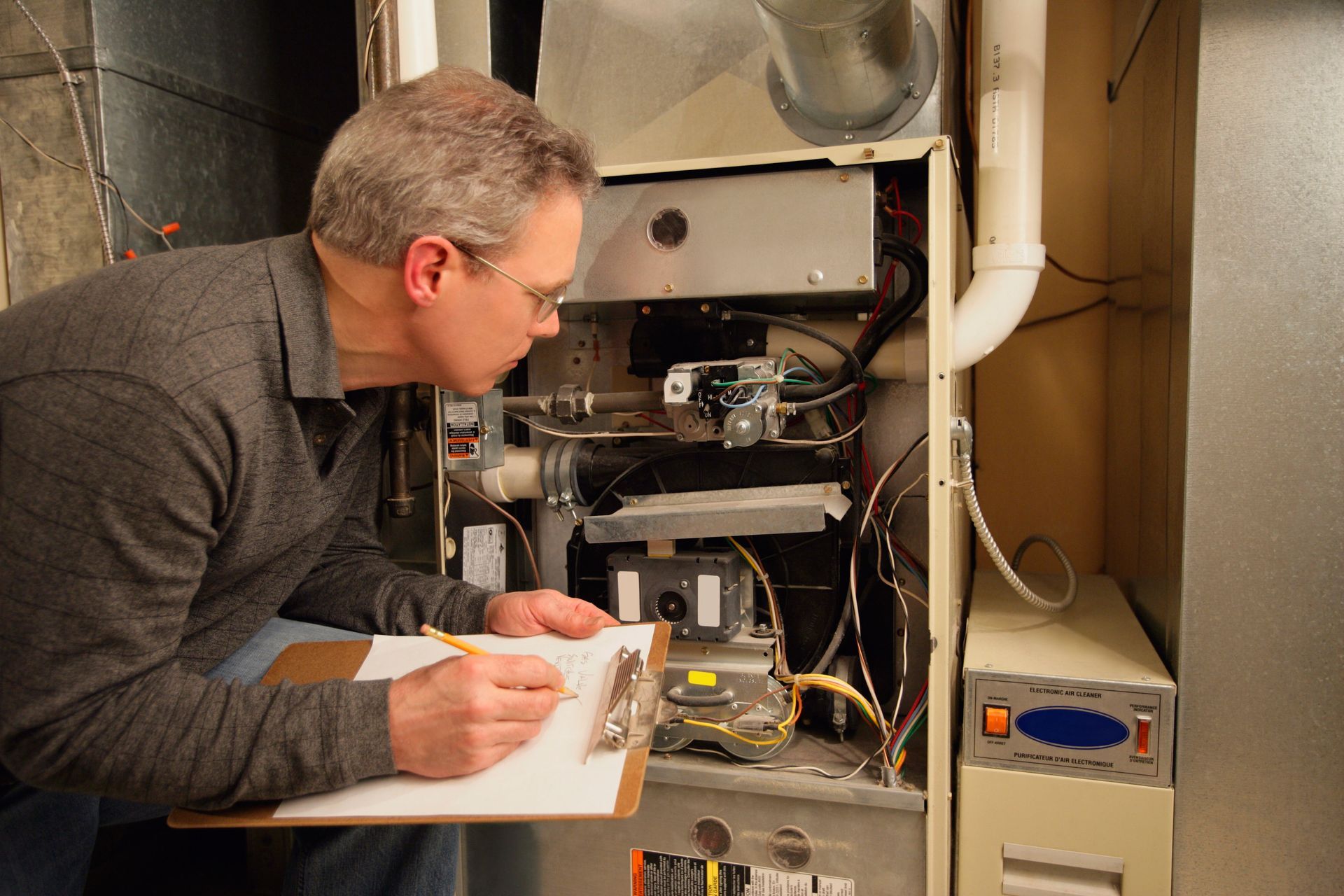
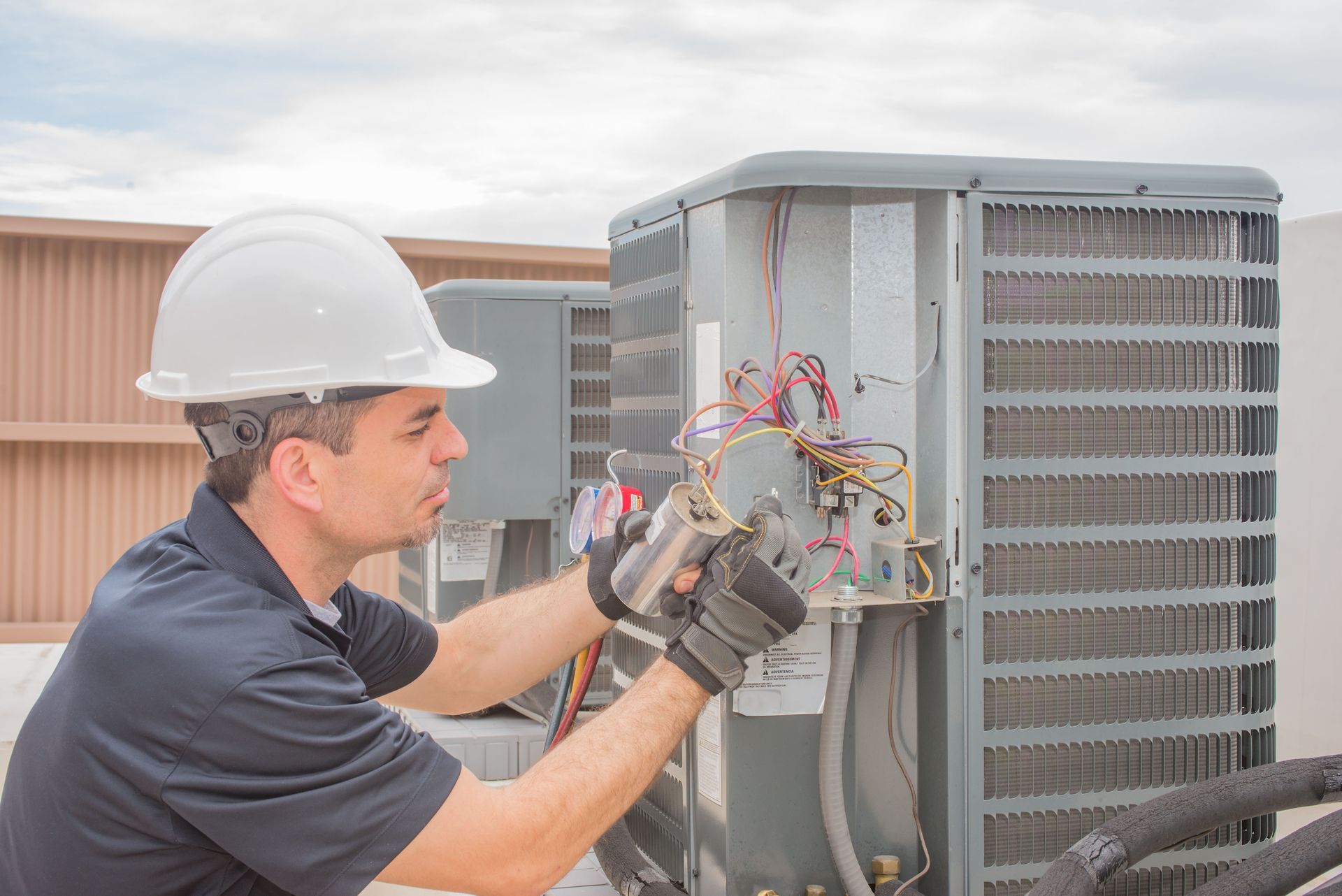
While some minor HVAC maintenance tasks, like changing filters, can be handled by homeowners, more complex repairs and diagnostics should be left to professionals. Professional HVAC technicians possess the training and equipment needed to accurately diagnose and resolve issues, ensuring the system operates efficiently and safely. Attempting DIY repairs on intricate components can lead to further damage and more expensive repairs.
Homeowners should be cautious and recognize the limitations of their DIY skills. For comprehensive maintenance or identified issues, professional technicians are better suited to execute HVAC repairs effectively, providing peace of mind and long-term reliability of your system.
2. What are Common Symptoms that Indicate HVAC Troubles?
2.1 Inconsistent Temperatures
One of the most common symptoms of HVAC troubles is inconsistent temperatures throughout your home. Cold spots, particularly during the winter months, can indicate that your HVAC system is struggling to distribute heated air evenly. Similarly, warm areas during summer may signify cooling issues. These inconsistencies necessitate immediate attention to maintain comfort and efficiency.
Addressing the underlying causes of temperature disparities typically involves checking ductwork for leaks, recalibrating thermostats, or potentially upgrading insulation to enhance overall system performance. Early detection and resolution of these issues are vital to avoid further strain on the system.
2.2 Unusual Noises and Odors
Unusual noises such as rattling, clanking, or buzzing are often early warnings of trouble within an HVAC system. These sounds may be indicative of loose components, worn-out belts, or other internal malfunctions. Similarly, strange odors emanating from vents could point to problems such as electrical issues or mold growth within the system.
Any unusual sounds or smells should be promptly investigated by a professional technician. Ignoring these signs can lead to further deterioration of the system, potentially resulting in more extensive damage and higher repair costs.
2.3 Increased Utility Bills
A significant increase in utility bills without a corresponding change in consumption patterns often signals an inefficient HVAC system. Poorly functioning systems expend more energy to maintain desired temperatures, resulting in higher costs. This inefficiency can stem from various issues, including clogged filters, failing components, and inadequate insulation.
To address the root cause, it's important to undergo a detailed inspection and assessment by a skilled HVAC technician. They can identify inefficiencies and suggest appropriate measures, including the possibility of upgrading components or entire systems to more energy-efficient models if needed.
2.4 Poor Air Quality
Poor indoor air quality is frequently symptomatic of HVAC issues. Neglecting regular maintenance tasks such as filter changes can lead to a buildup of dust, allergens, and pollutants, directly affecting the air you breathe. Over time, inadequate air quality can influence health and overall well-being.
Regular maintenance, such as replacing air filters and checking for mold or bacterial growths within the system, is essential to maintaining good indoor air quality. A healthy HVAC system contributes significantly to a comfortable and safe living environment.
3. How Can Regular Maintenance Impact HVAC Performance?
3.1 Importance of Regular Filter Changes
Changing your HVAC filters regularly is one of the simplest yet most effective maintenance practices. Filters trap dust, pollen, and debris, preventing them from entering and clogging the system. Clogged filters restrict airflow, forcing the system to work harder and leading to higher energy consumption and potential overheating.
A straightforward, regular filter change promotes efficient airflow and maintains the system's performance. The ease of this task significantly lowers risks of strain and malfunction, underscoring its importance as a preventive measure against larger issues.
3.2 Role of Ventilation in System Efficiency
Proper ventilation plays a critical role in maintaining HVAC efficiency. A system that circulates air smoothly and evenly throughout a home ensures optimal temperature distribution. Blocked or inefficient ventilation can impede airflow, creating temperature inconsistencies and increasing the workload on system components.
Regular inspection of ducts and vents for obstructions and cleaning as needed are fundamental maintenance steps. Enhancing ventilation efficiency not only improves performance but also promotes healthier indoor air quality, safeguarding both comfort and well-being.
3.3 Benefits of Scheduled Tune-Ups
Scheduled tune-ups significantly impact the performance and longevity of an HVAC system. These comprehensive inspections provide opportunities for technicians to identify potential problems, complete necessary adjustments, and enhance system efficiency. Regular tune-ups help prevent unforeseen breakdowns and costly HVAC repairs, offering peace of mind to homeowners.
A proactive approach with scheduled maintenance can mean the difference between a high-performing HVAC system and one that struggles to maintain comfort levels. Routine inspections minimize risks and support system longevity, reflecting the value of regularly scheduled professional attention.
Understanding the multitude of factors that affect HVAC performance is crucial for maintaining a comfortable and efficient environment in your home or business. Regular maintenance and awareness of potential issues can help prolong the life of your system and enhance its performance. According to HomeGuide, installing an HVAC system takes 1 to 2 days when existing ductwork is available and 3 to 5 days when new ductwork is required, emphasizing the importance of maintaining these systems regularly to avoid extensive installation processes.
The conscientious management of HVAC systems, involving regular inspections, timely HVAC repairs, and preventive actions based on environmental factors, supports long-term efficiency and performance. Through informed decisions and professional assistance, homeowners ensure their systems continue operating at optimal levels, delivering year-round comfort and reliability. Reach out to All-Ways Heating & Air Conditioning Inc today to see how we can help you!